
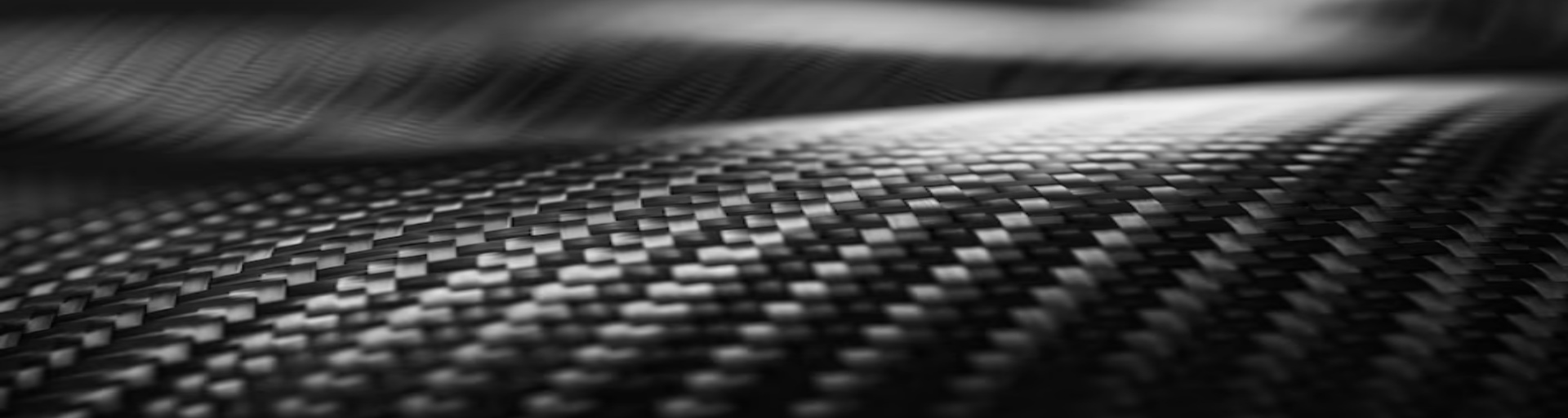
In the specialized manufacturing sector of advanced bicycle engineering, maximizing component synergy governs elite competitive performance. The strategic development facility at KOIBIKE continuously examines industrial production methodologies to deliver ultimate reliability for worldwide distributors, commercial brands, and professional racing fleets. As the global marketplace demands higher standards for structural integrity, understanding the precise relationship between molecular carbon orientation and mechanical power transmission becomes a vital asset for purchasing managers looking to secure a significant market advantage.
Operational Dynamics & Longevity Factors
How do procurement agents determine the exact structural retirement point for premium wheel setups? Unlike traditional metal alloys that show permanent visible bending or obvious denting before ultimate mechanical failure, high-modulus composite materials require distinct maintenance tracking protocols due to their unique molecular structure. Technical managers must perform periodic internal physical checks for internal fiber delamination, surface hairline cracking, or localized epoxy softening following severe trail impacts or high-speed collisions.
Furthermore, managing extreme environmental conditions is integrated directly into our proprietary structural molds. A frequent complaint among professional riders during prolonged wet racing seasons is the gradual accumulation of moisture within the hollow wheel rim bed through the spoke access openings, which creates unwanted fluid weight and compromises rotational balance. Our engineering team solves this issue entirely by integrating precision-milled drainage openings near the outer profile, using natural centrifugal spin to eject trapped moisture automatically during rotation and maintain continuous true balance on the fly.
Thermal stability represents another critical engineering vector that separates amateur open-mold components from genuine factory-grade equipment. When navigating sustained, steep descents, friction from older rim-brake configurations can generate extreme localized heat exceeding 200 degrees Celsius. Without advanced polymer chemistry, traditional resins reach their glass transition temperature, leading to immediate sidewall deformation. Our modern manufacturing protocols employ specialized high-TG resin matrices that resist extreme thermal spikes, ensuring absolute structural safety even under the most demanding deceleration phases on long mountain descents.
Manufacturing Breakthrough: Managing massive localized loading demands an optimized anchoring framework. Cheaper open-mold options rely on heavy brass nipple washers to stop pull-through failures, but KOIBIKE applies targeted internal wall reinforcements during our factory carbon bike rims manufacturing stage, handling elevated spoke tension natively without adding dead weight to the outer circumference.
Technical FAQ: Professional Integration
Q: Does changing the rim layout noticeably lower energy losses during sudden uphill sprints?
A: Absolutely. By stripping heavy rotational mass away from the outer spinning circumference, our layout dramatically reduces the polar moment of inertia. When racers transition into explosive acceleration, human energy transforms immediately into forward speed with zero dynamic micro-flexion or mechanical lag. This means that a fleet equipped with these optimized wheels can maintain higher average speeds over long distances while expending significantly less total wattage.
Q: Are these high-tension composite architectures strong enough for daily off-road abuse?
A: Yes, they offer remarkable structural resilience under intense impact. Traditional steel spokes undergo tiny amounts of elastic stretching under peak torque, causing minor wheel squirm and tracking deviation. By utilizing high-modulus, ultra-lightweight carbon strands instead of traditional metal wire, our systems maintain perfect tracking accuracy through aggressive high-speed cornering maneuvers, allowing riders to hold tighter lines with total confidence.
Q: How does the raw material grade affect the long-term ROI for global commercial distributors?
A: The quality of the raw carbon fiber sheets directly determines the lifespan of the wheelset. Lower-grade options save upfront costs but suffer from rapid resin aging and fatigue degradation after a few seasons of heavy use. By sourcing premium Toray carbon fiber sheets and utilizing precise automated fiber layup schedules, we guarantee an extended operational lifecycle that significantly reduces warranty claims and enhances brand reputation for our B2B partners worldwide.
Advanced Hardware Optimization
Achieving this competitive edge requires an integrated equipment approach rather than mixing mismatched parts. When our specialized high-tension blades are laced directly to these customized composite architectures, it forms a tournament-ready carbon MTB wheelset 29er engineered to dominate complex, rough race courses. Due to precision manufacturing tolerances along our hookless bead-lock profiles, a standard floor pump easily seats tubeless tires safely without specialized shop tools, preventing dangerous air burping during hard lateral cornering over rugged rock gardens.
Whether our technical teams are adjusting the exact gravel carbon rims width to secure wide tire sidewall stability for endurance fleets, or tuning multi-directional fiber layups for pure velodrome speed, our focus on industrial excellence remains complete. Investing in a premium tubeless carbon bike wheels package from KOIBIKE ensures that global business partners receive incredible structural life, unmatched strength, and explosive power delivery across every modern cycling discipline. We invite global distributors to contact our engineering team to customize their proprietary product lines today.
