The bike hub is the "heart" of the wheel set, located at the exact center of the wheel. It connects the rim via spokes on one side and is fixed to the frame/fork on the other. As the pivot of wheel rotation, it bears the rider’s weight and road impact forces, directly determining the smoothness of wheel rotation and power transmission efficiency. A suitable hub makes riding more effortless and smooth.
For beginners, there’s no need to get stuck on complex parameters. First, understand the core internal structure of the hub, and you can easily grasp its working principle. Below, we break down the five core components of the hub in plain language, with intuitive illustrations for each structure—easy to understand at a glance!
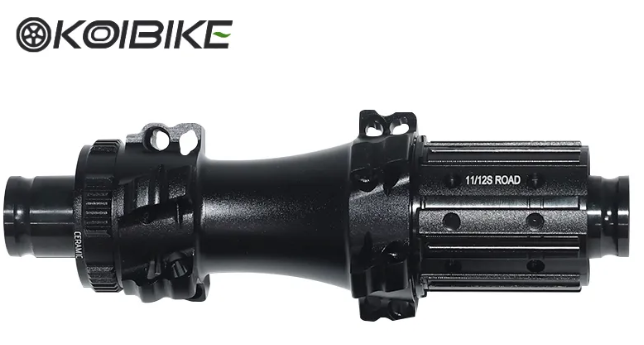
1. Hub Shell (Main Body)
Core Function: The "framework" of the hub, connecting spokes and the rim to transmit rotational force, while housing internal bearings, axles and other components.Materials: Aluminum alloy is the mainstream, balancing strength and light weight; high-end competition models use carbon fiber for extreme lightness; steel is more durable for heavy-duty riding.Key Design: Flanges (with spoke holes) on both sides of the shell for fixing spokes; disc brake hubs have a 6-bolt/center-lock interface on one side for mounting the brake rotor.
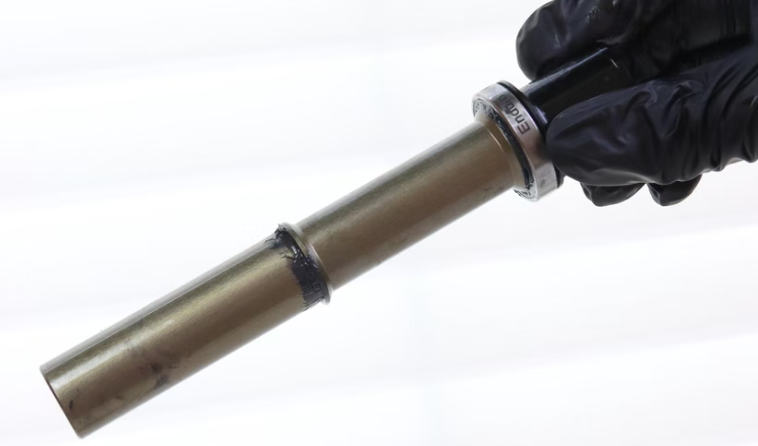
2. Axle
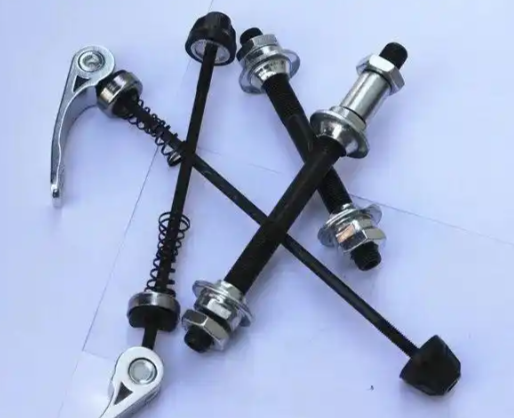
Core Function: The "central shaft" of the hub, passing through the center of the hub shell, fixed to the frame/fork on one end. It bears the rider’s weight and various forces during riding, and is the key to connecting the hub to the frame.
Common Types: Solid axle and hollow axle; solid axles are mostly used for traditional commuter bikes and locked with nuts; hollow axles are the mainstream, compatible with quick release/thru-axle designs for easy wheel disassembly and assembly. Thru-axles are thicker, with stronger rigidity and stability, the first choice for mountain bikes and gravel bikes.
3. Bearing/Ball System (Rotation Core)
Core Function: Clamped between the axle and hub shell, it reduces friction between them, allowing the hub to rotate smoothly. It is the key to determining whether the wheel set rotates "lightly and for a long time".
Two Essential Types for Beginners:
Loose Ball Bearing (Cup-and-Cone Hub): Composed of loose steel balls, cups and cones, the tightness is adjustable for easy maintenance, but poor in dust and water resistance, suitable for daily commuting;
Sealed Bearing (Cartridge Bearing Hub): Pre-sealed cartridge units with built-in steel/ceramic balls, featuring excellent dust/water resistance, low friction and long maintenance cycle, the mainstream choice for modern bikes.
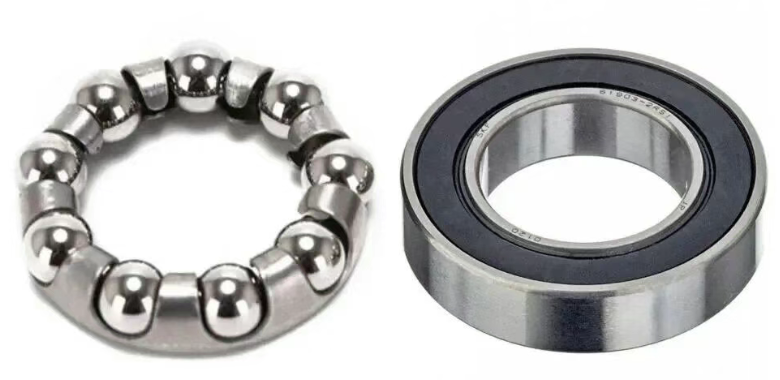
(Diagram: Left - loose ball bearing components, Right - sealed cartridge bearing unit)
4. Freehub Body (Rear Hub Only!)
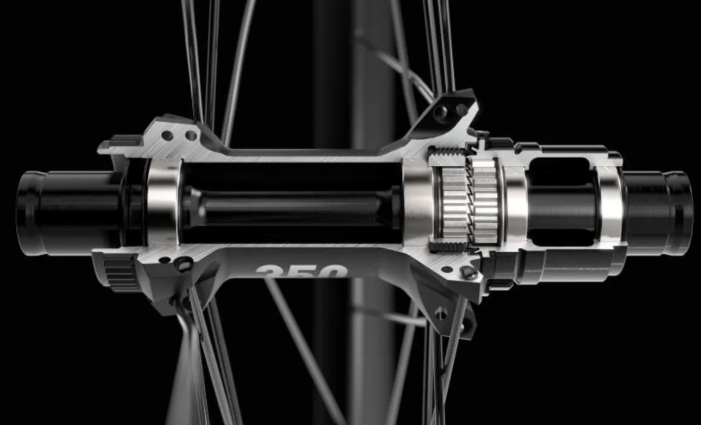
Core Function: The "core of power transmission" for the rear hub, connecting the hub shell on one end and the cassette on the other. It transmits pedaling power to the rim and realizes the core function of "pedal to drive, coast to free spin". Internal Principle: A pawl/ratchet mechanism is hidden inside the freehub body. When pedaling, the pawls engage with the ratchet teeth to transmit power; when coasting, the pawls slide over the teeth, allowing the wheel to rotate freely and making a crisp humming sound.
5. Fasteners
Core Function: Securely fix the hub to the frame/fork to ensure the wheel does not shake or loosen during riding, guaranteeing riding safety. Common Types: Quick release lever (road bikes, entry-level mountain bikes), thru-axle bolt (advanced mountain bikes, gravel bikes), fixing nut (traditional commuter bikes), which must match the axle specification of the frame.
Beginner's Quick Summary
Front hub has a simple structure: shell + axle + bearing + fasteners, only responsible for supporting the smooth rotation of the front wheel;
Rear hub adds a freehub body: on the basis of the front hub, it transmits power through the freehub body, the key to making the wheel set "move";
Cartridge bearing hub is the first choice for beginners: dust/water resistant, no frequent maintenance, suitable for most riding scenarios.
For more information about carbon fiber rims, wheel sets, hubs and spokes, please contact us via:
Email: queenie@koibike.com
WhatsApp: +86 15918408597