

The braking system is a core component for safe cycling. Currently, the main types of brakes are divided into two major categories: "rim brakes" and "disc brakes." Rim brakes are further subdivided into V-brakes and C-brakes, while disc brakes include mechanical and hydraulic disc brakes. Each type has its own advantages and disadvantages in terms of structure and performance.
I. Rim Brakes: The Classic Lightweight Choice
Rim brakes work by using brake arms to move brake pads, clamping the rim to achieve deceleration. The core types are V-brakes and C-brakes.
1. V-brakes: Brake arms have a V-shaped design
- Structural characteristics: The brake arms have a symmetrical V-shape structure, relying on the tension of the brake cable to make the two brake pads clamp the rim simultaneously. Commonly found on mountain bikes and city commuter bikes.
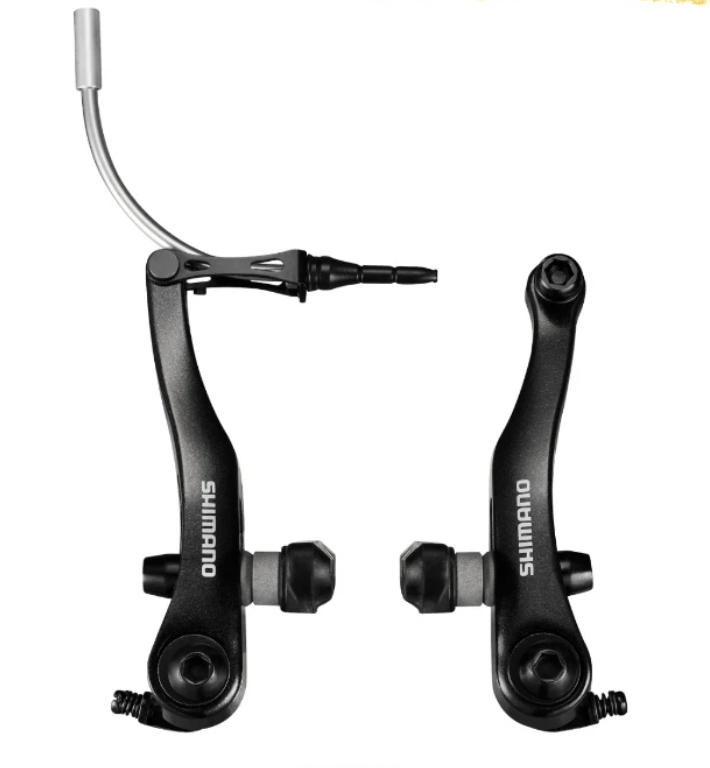
- Advantages: Simple structure, low maintenance costs; brake pads can be replaced directly after wear; extremely lightweight, contributing significantly to the overall weight reduction of the bicycle; direct braking feel, easy for beginners to control.
- Disadvantages: Braking force is greatly affected by the condition of the rim; in rainy weather or when the rim is muddy, the brake pads are prone to slipping, significantly reducing braking efficiency; prolonged braking can cause the rim to heat up, potentially affecting tire performance.
2. C-brakes: Brake arms have a C-shaped structure
- Structural characteristics: The brake arms have a C-shaped wrap-around design, mostly used on road bikes. The brake pads have a higher degree of contact with the rim, resulting in a shorter braking distance.
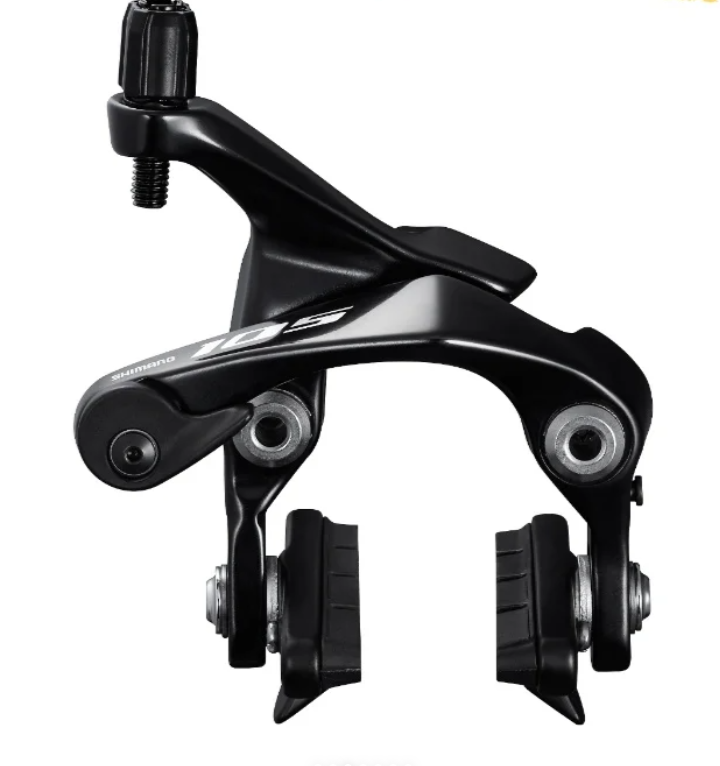
- Advantages: Fast braking response, suitable for high-speed riding on road bikes; simple appearance, conforming to the aerodynamic design requirements of road bikes; lightweight, without adding extra burden to the wheelset.
- Disadvantages: Requires high rim flatness; even slight rim deformation can cause brake noise; braking performance is significantly reduced in rainy weather, making them unsuitable for complex and slippery road conditions; brake pads wear out relatively quickly and require regular inspection and replacement. Rim Brakes: Overall Advantages and Disadvantages Summary
| Advantages | Disadvantages |
| Lightweight, contributing to overall vehicle weight reduction | Braking performance is greatly affected by weather and rim condition |
| Simple structure, easy maintenance and low cost | Prolonged braking can easily cause the rims to overheat |
| Direct braking feel, easy for beginners to use | Requires high quality and flatness of the rims |
II. Disc Brakes: Stable Guarantee for Complex Road Conditions
Disc brakes work by using brake calipers to clamp down on the brake disc on the wheel hub to achieve deceleration. They are divided into mechanical disc brakes and hydraulic disc brakes based on the power transmission method.
1. Mechanical Disc Brakes: Transmit braking force through steel cables
- Structural features: Relies on steel cables to pull the internal mechanical structure of the caliper, pushing the brake pads to clamp the disc. Compatible with most bicycle brake levers.

- Advantages: Simple maintenance, tension can be adjusted directly if the brake cable loosens; braking force is linear and controllable, less likely to lock up; affordable price, making it the preferred choice for entry-level disc brake models.
- Disadvantages: Relatively weaker braking force, slightly insufficient for heavy riders or steep slopes; brake cables will stretch after prolonged use, requiring regular adjustment.
2. Hydraulic Disc Brakes: Transmit braking force through brake fluid in the oil lines
- Structural features: The brake lever presses a piston, pushing the brake fluid in the oil line to transmit pressure, driving the caliper brake pads to clamp the disc. Commonly found in mid-to-high-end mountain bikes and road bikes.
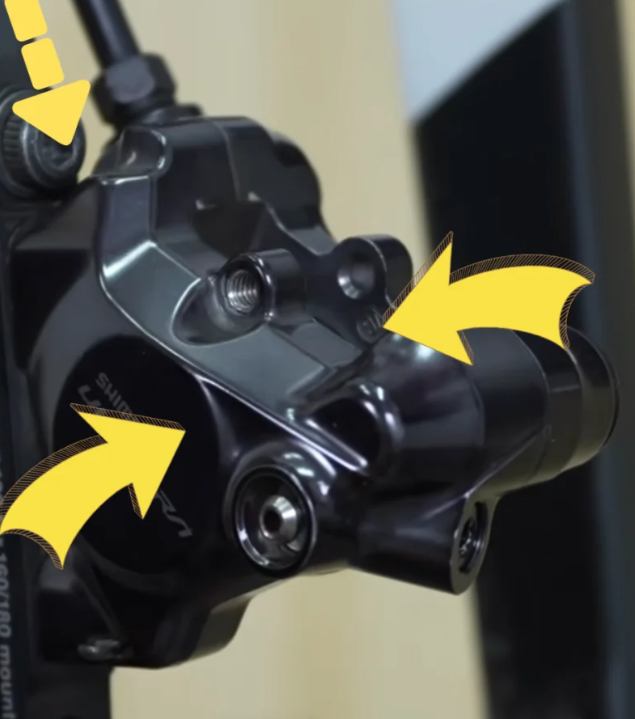
- Advantages: Strong and stable braking force, delicate braking feel, allowing for precise control of braking force; brake fluid does not stretch easily, requiring less frequent adjustment for long-term use; less affected by weather, reliable braking performance even in rainy and muddy conditions.
- Disadvantages: Complex structure, maintenance requires professional tools, and the brake fluid needs to be completely replaced if there is a leak; slightly heavier than mechanical disc brakes; higher price, and higher maintenance costs than mechanical disc brakes and rim brakes. Summary of Disc Brake Advantages and Disadvantages
| Advantages | Disadvantages |
| Stable braking performance, unaffected by weather or road conditions | Complex structure, higher maintenance difficulty and cost |
| Strong braking force, suitable for steep slopes and heavy loads | Heavier than rim brakes, increasing the overall weight of the bicycle |
| Does not wear down the wheel rims, extending the lifespan of the wheelset | Oil leaks in hydraulic disc brakes can affect braking performance and pose a safety hazard |
III. Purchasing Recommendations
- If you are a “road bike enthusiast”, mainly riding on dry, flat roads, and prioritize lightweight and aerodynamic performance, “C-brakes”are a cost-effective choice.
- If you are a “city commuter”, riding on simple road conditions daily, have a limited budget, and value easy maintenance, “V-brakes” or “mechanical disc brakes” are more suitable.
- If you frequently ride on “mountainous or muddy terrain”, or require strong and stable braking force, “hydraulic disc brakes” will provide you with more reliable safety protection.
