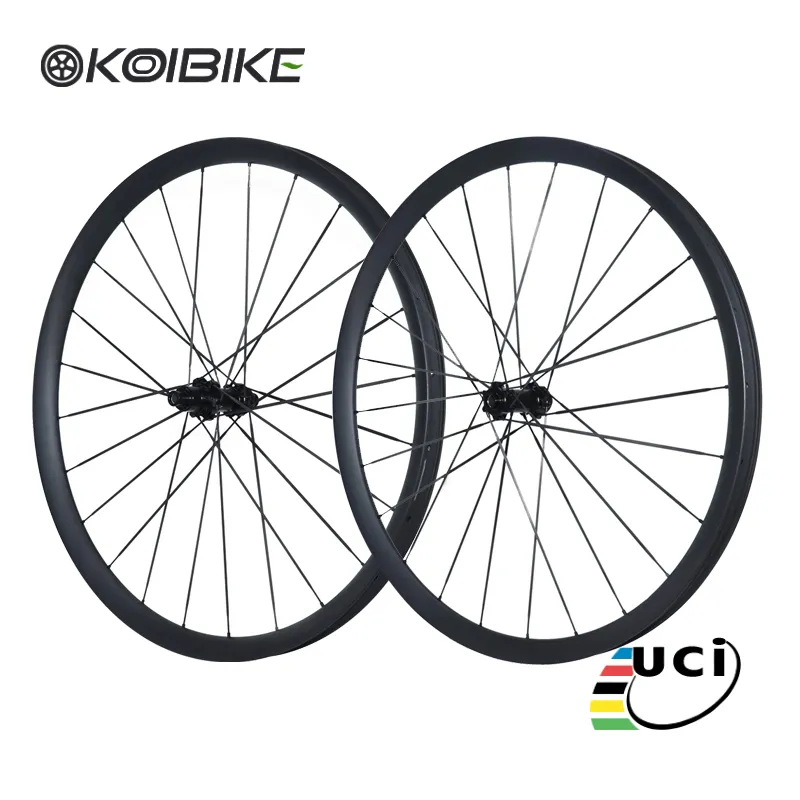
Carbon fiber or aluminum? How should I buy an upgraded wheelset?
So before buying a wheelset to upgrade, what do you need to know to choose a pair of wheels that are suitable for you?
What type of cyclist are you?
When shopping for a new wheelset, the first thing to consider is what type of rider you are. If you're an all-out XC rider, wheel weight and strength are primary concerns, and you can find the perfect compromise based on your riding style. For those focused on a gravity-focused style, like enduro or downhill racing, wheels should prioritize strength over weight.Beyond personal considerations, if you're heavier, avoid lightweight wheels and look for a higher spoke count. If you're lighter or plan to perform a lot of tricks on the trail, a lighter wheel or one with fewer spokes is a good option.
Hub spacing
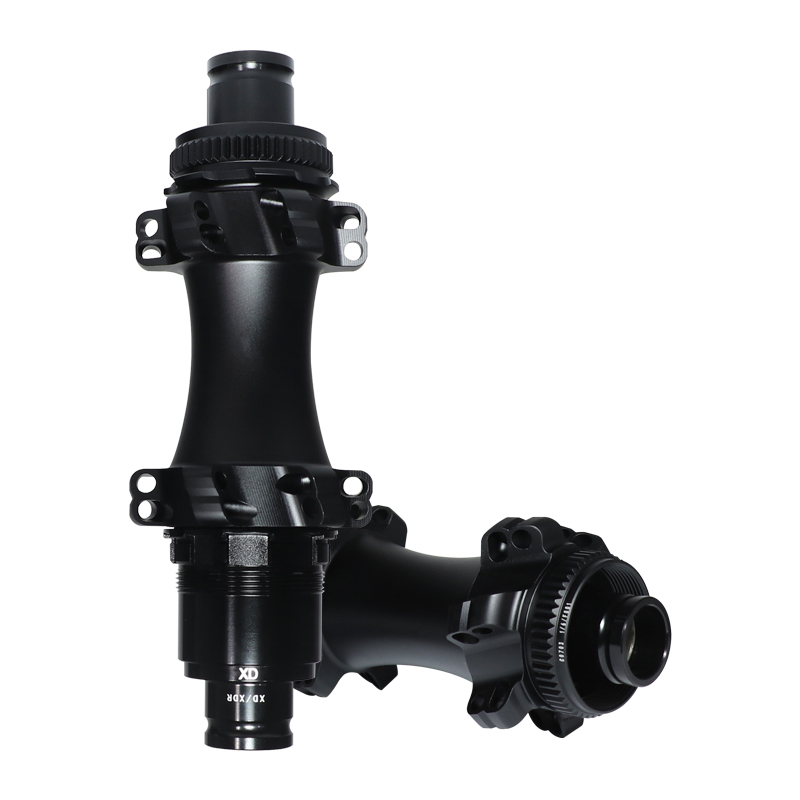
Over the past five years, bicycle axles have transitioned from the quick-release design of decades ago to thru-axles, which are relatively stronger and safer. The current mainstream sizes are 12 x 100mm front and 12 x 142mm rear. However, to increase wheel stiffness, KOIBIKE has introduced a wider Boost axle spacing: 15 x 110mm front and 12 x 148mm rear. Therefore, before purchasing a wheel upgrade, it's important to check which thru-axle sizes your bike supports.
Carbon fiber or aluminum alloy wheels
An increasing number of high-end wheels are featuring carbon fiber rims, which offer superior stiffness at a lower weight compared to aluminum. If weight or ultimate stiffness aren't a concern but you're looking to upgrade to a higher-performance wheelset at an affordable price, there are many high-quality aluminum wheel options.Aluminum rims can dent in an impact, but if minor, they can still be used. However, carbon fiber rims pose a greater safety risk if impacted, necessitating prompt replacement, which comes at a higher cost.
Rim width
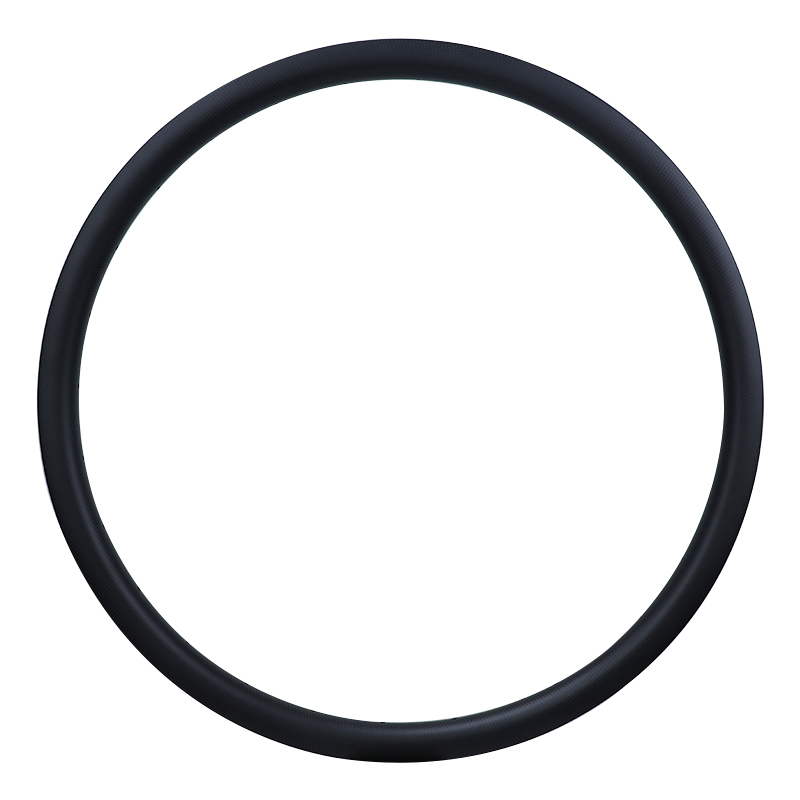
Rim widths have increased for both road and mountain bikes in recent years. The key dimension to keep in mind is the internal width, which determines the tire's shape. For a given tire, a wider rim increases tire volume and creates a flatter, squarer profile. A narrower rim reduces tire volume and creates a rounder profileWider rims can improve tire stability, which can make your bike feel more stable in corners. Matching rim and tire width is a key consideration.
Here are some recommended rim width and tire size combinations:
2—2.25-inch tire = 23–25mm rim width
2.25—2.4-inch tire = 25–30mm rim width
2.4—2.6-inch tire = 30–35mm rim width
2.6—3-inch tire = 35–40mm rim width
Tubeless or tubeless
The decision of whether to go tubeless or tubeless largely comes down to personal preference. Tubes are affordable and easy to replace, but they're also prone to punctures and typically require riders to run higher pressures. Tubeless systems are lighter, withstand minor punctures with sealant, and allow for lower tire pressures, improving off-road descent grip. However, they're more expensive, and if you do get a puncture, you'll have to deal with a lot of mess.
Freehub body engagement speed
An often-overlooked wheel characteristic is how quickly the hub body engages, which is intuitively felt with your first pedal stroke. On the trail, the difference in engagement speed is noticeable. Generally speaking, faster engagement is better for pedaling; hubs with more engagement points will quickly recover speed with less lag after sliding.Furthermore, faster-engaging hubs have tighter tolerances, requiring more maintenance. They also tend to be louder and have more drag.
Next, let me introduce our KOIBIKE MTB wheelset AM-MW28X36-29-CS-UL
| Rim No. | Rim Type | Hubs | Spokes | Nipples | Weight/pair |
| AM-MW28X36-29-CS-UL | Tubeless | MH-CS320T-Boost-DB Straight Pull Hubs 24-24Holes 15x110 & 12x148mm Cassette Body: MS/XD/XDR 330±5g/pair | CS-R/T38 Carbon fiber spokes Round head/T head 3g/pcs | External Self-Locking Alloy Nipples 0.3g/pcs. | 1194±30g |